 June 30, 2026
 Dr. Shubhangi Singh
Middle ear infections are considered one of the most widespread pediatric health complaints. By the time they turn three, a vast majority of toddlers will have suffered from at least one ear infection. Although getting these infections is a standard part of early childhood, recognizing the underlying causes and applying reliable preventative methods can substantially decrease your infant's vulnerability.
This comprehensive article breaks down what ear infections actually are, the reasons why infants are highly susceptible to them, ways to alleviate the symptoms when they show up, and the best precautionary measures every caregiver needs to learn.
Please note that this post is intended solely for general educational use and should not replace clinical medical advice, professional diagnosis, or personalized treatment. Always reach out to your paediatrician or a certified medical professional regarding any concerns about your child’s health or if you think they might have an ear infection.
Understanding Ear Infections in Infants
These infections happen when fluid gets trapped right behind the eardrum and becomes an active breeding ground for viruses or bacteria. This accumulated fluid creates swelling, painful pressure, and discomfort, leaving your baby acting extremely irritable and fussy.
Typical warning signs include:
- Constantly pulling, rubbing, or tugging at the ear
- Excessive crankiness or prolonged crying spells
- Elevated body temperature (Fever)
- Difficulty falling or staying asleep
- Loss of appetite or reluctance during feeds
- Noticeable fluid leaking from the ear in certain situations
Spotting these clinical signs early on empowers parents to get the right medical assistance and avoid further health complications.
Why Are Babies More Susceptible to Ear Infections?
Infants face a much greater risk of experiencing ear infections compared to older kids and adults because of several unique biological and structural factors.
Shorter and narrower Eustachian tubes
The Eustachian tube is the canal linking the middle ear to the back of the throat. In infants, this passageway is shorter, more horizontal, and narrower, which severely complicates drainage and increases the odds of fluid buildup.
Developing immune defenses
Because a baby's immune system is still in the maturing phase, they are not yet fully equipped to fend off germs and bacterial invaders as effectively as older children.
Nasal passage blockages
Infants possess adenoids (soft tissue located behind the nasal cavity) that assist their immune functions. During a common cold, these tissues can become inflamed and physically obstruct the small tubes responsible for draining the ear. Once blocked, fluid gathers in the middle ear chamber, setting the stage for an infection.
These natural bodily factors easily explain why ear-related problems are so highly prevalent throughout a child's first 36 months.
10 Expert Paediatrician Strategies to Keep Your Baby’s Ears Infection-Free
Parents can dramatically slash their child's risk factors by adopting these medically endorsed preventative habits.
1. Opt for breastfeeding if you can
Mother's milk is packed with vital antibodies that naturally shield infants from the specific viruses and bacteria known to cause ear issues.
- Practicing exclusive breastfeeding for the initial six months has been shown to cut down ear infection rates by up to 43%.
2. Maintain an upright feeding position
When a baby feeds while lying completely flat, milk can easily flow straight into their Eustachian tubes.
To stop this from happening:
- Elevate your baby's head to at least a 30-degree incline during meals
- Keep them seated upright for about 30 minutes post-feeding
- Never prop a bottle up or let your child fall asleep while drinking from it
3. Reduce pacifier dependency past six months
Prolonged dependency on a dummy can negatively impact how the Eustachian tubes function. Start weaning your child off daytime pacifier habits once they hit the half-year mark.
4. Shield your child from secondhand smoke
Infants living in smoky environments face double the risk of developing ear problems. Smoke irritates their fragile nasal passages and throats, hinders natural ear drainage, and encourages aggressive bacterial growth. Always ensure your baby's environment remains 100% smoke-free.
5. Stay on track with immunisations
Getting the pneumococcal and seasonal flu vaccines is crucial, as they actively protect against the respiratory illnesses that frequently trigger ear infections.
6. Enforce strict handwashing habits
Washing hands thoroughly and often cuts down the transmission of cold and flu bugs. Make sure all family members, older siblings, and nannies strictly abide by this rule.
7. Ensure the baby's ears stay completely dry
Gently wipe the outer part of the ear using a soft towel after baths or pool time. Never stick cotton buds or swabs deep into the delicate ear canal.
8. Control indoor humidity and air quality
Try to keep the moisture levels in your home balanced and pleasant. Run a humidifier or dehumidifier based on the weather, and make sure rooms are properly ventilated.
9. Minimise contact with sick people
Keep your infant away from individuals displaying symptoms of illness, particularly during peak flu months. If your child is in daycare, select a center renowned for its stringent sanitization protocols.
10. Treat congestion and allergies promptly
When dealing with colds, utilize saline drops and soft bulb suctioning exclusively if your doctor recommends it. Reach out to your paediatrician if you think your child has allergies, as keeping the airways completely clear is essential for healthy ear drainage.
Managing Your Baby's Ear Infection?
Despite your absolute best preventative efforts, an infection might still happen. Catching it early and providing the right medical treatment will alleviate your baby's pain and stop the issue from repeating.
Consult a doctor for an accurate diagnosis
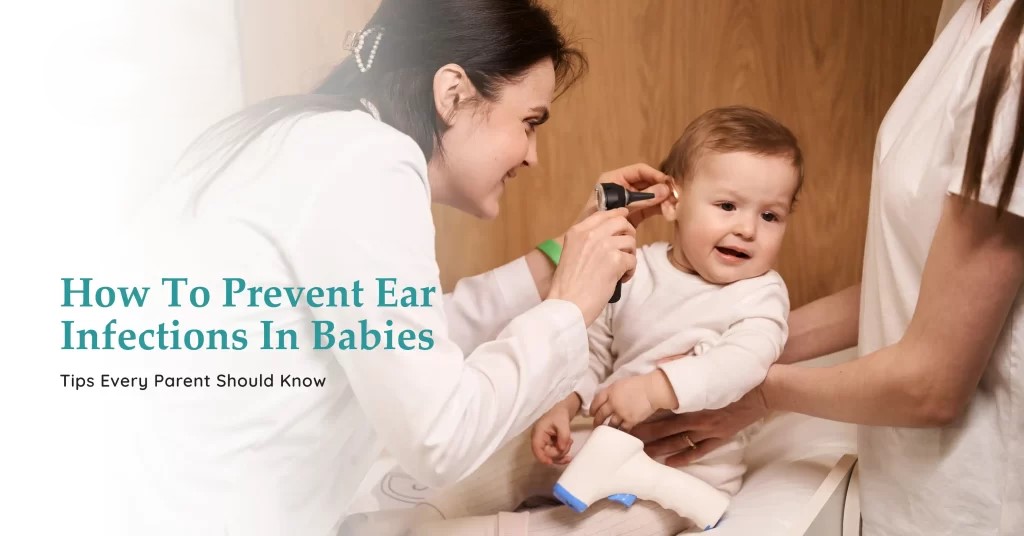
A certified doctor can look inside the ear canal to verify if it's infected. Avoid attempting to diagnose it yourself, as the warning signs can easily mimic other pediatric ailments.
Administer approved pain medications
Your doctor might advise using infant-safe fever reducers or painkillers to soothe the aches, but ensure you only administer them under strict medical supervision and prescription.
Apply a warm compress
Placing a gentle, warm, and damp cloth over the hurting ear can sometimes provide fast, short-term relief from the throbbing pain.
Keep a close eye on the symptoms
A majority of mild infections start to get better in about 24 to 48 hours. However, if your child's condition deteriorates or shows no signs of improvement after two days, be sure to schedule a follow-up visit with your paediatrician.
Seek specialist help for repeating issues
Should your infant suffer from back-to-back ear infections, your primary doctor might refer you to an ENT (Ear, Nose, and Throat) specialist. They can check for lasting fluid buildup, potential hearing loss, and explore advanced treatment options.
Final Thoughts
Ear infections are a standard hurdle in infancy, yet a large chunk of them are completely avoidable through basic routine tweaks. Ensuring vertical feeding positions, maintaining stellar hygiene, blocking secondhand smoke, and watching for initial red flags are all fantastic ways to safeguard your baby's ears. When in doubt, or if signs worsen, booking a doctor's appointment is always the smartest route.
Here at Dr. Shubhangi Singh Paediatric & Allergy Clinic, we provide parents with straightforward advice and compassionate treatment for any pediatric issues. For a thorough and kind medical evaluation, you are welcome to book an appointment within our operating hours. Your infant's well-being and relief is our ultimate focus, and acting quickly can dramatically improve their comfort.
