
Guide to Care
Caring for a child comes with many questions, especially during the early years. At Dr. Shubhangi Singh’s Child Care, our Guide to Care provides practical, evidence-based information to help parents understand everyday child health, development, nutrition, and common concerns. Our goal is to equip families with reliable guidance so they can make informed decisions and confidently support their child’s wellbeing.
Parenting Essentials
Recognising When Your Child Needs Medical Care
While many childhood illnesses can be managed at home, some symptoms require prompt medical attention. Understanding these warning signs helps parents seek timely care and ensures children receive the right treatment when they need it most.
- High or persistent fever that does not improve.
- Difficulty breathing, wheezing, or persistent coughing.
- Repeated vomiting, diarrhoea, or signs of dehydration.
- Unusual skin rashes, swelling, or allergic reactions.
- Concerns about growth, development, feeding, or changes in behaviour.
If you notice any of these symptoms or have concerns about your child's health, an early consultation with Dr. Shubhangi Singh can help provide timely evaluation, appropriate treatment, and peace of mind.
Book an Appointment
Get Trusted Answers to Your
Parenting Questions
Whether you have concerns about your child's health, nutrition, development, or everyday care, Dr. Shubhangi Singh is here to provide practical guidance and evidence-based advice to help you make informed parenting decisions with confidence.
Connect With UsCaring for Common Childhood Illnesses
Minor illnesses are a normal part of childhood, but knowing how to care for your child at home can support a quicker recovery. Our guide helps parents understand symptom management while recognising when professional medical care may be needed.
- Keep your child well hydrated and encourage nutritious meals whenever possible.
- Use medicines only as advised and follow age-appropriate dosing instructions.
- Monitor symptoms such as fever, cough, vomiting, or rashes and note any changes.
- Recognise warning signs that require prompt medical evaluation.

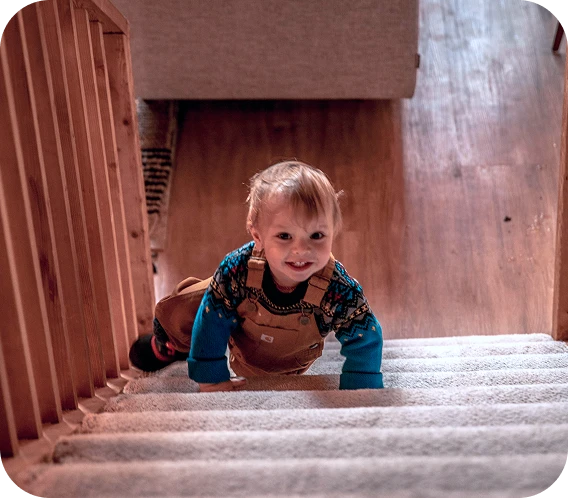
Building a Safe and Healthy Home
A safe home environment plays an important role in protecting children from preventable injuries and illnesses. Simple precautions can help create a healthier space where children can grow and explore safely.
- Childproof living spaces to reduce the risk of falls and accidents.
- Store medicines, cleaning products, and sharp objects safely out of children's reach.
- Keep a basic first-aid kit available and know how to respond to common emergencies.
- Encourage good hygiene practices to reduce the spread of infections.
Encouraging Emotional Wellbeing in Children
A supportive home environment helps children develop confidence, emotional resilience, and healthy relationships. Positive parenting practices contribute to both emotional and physical wellbeing.
- Create consistent daily routines that help children feel secure.
- Encourage open communication and listen patiently to your child's concerns.
- Support healthy social interactions, play, and emotional expression.
- Seek professional guidance whenever behavioural or emotional concerns arise.

