 Dec 22, 2025
 Dr Shubhangi Singh
Spring or fall days can easily become miserable for kids suffering from seasonal allergies. When you notice your little one sneezing, dealing with congestion, or rubbing itchy eyes during the same months annually, it's probably due to these allergies. Parents often wonder how they can assist their kids during these times, and luckily, numerous proven strategies exist to alleviate these symptoms and provide comfort.
Whether you want to learn more about how seasonal allergies affect older children or are worried about your infant's reactions, this comprehensive guide will equip you with actionable, reliable measures to ensure your child stays at ease during peak allergy times.
This post serves purely educational purposes and should not replace expert medical diagnosis, advice, or treatment. Always reach out to a certified paediatrician or healthcare professional for any concerns related to your child's well-being.
Understanding Allergens
Airborne allergens are microscopic specks that can cause allergic reactions in certain kids. Common examples include pet dander, mold spores, dust mites, and pollen. If an allergic child inhales these particles, their immune system mistakenly identifies them as dangerous invaders and attacks them.
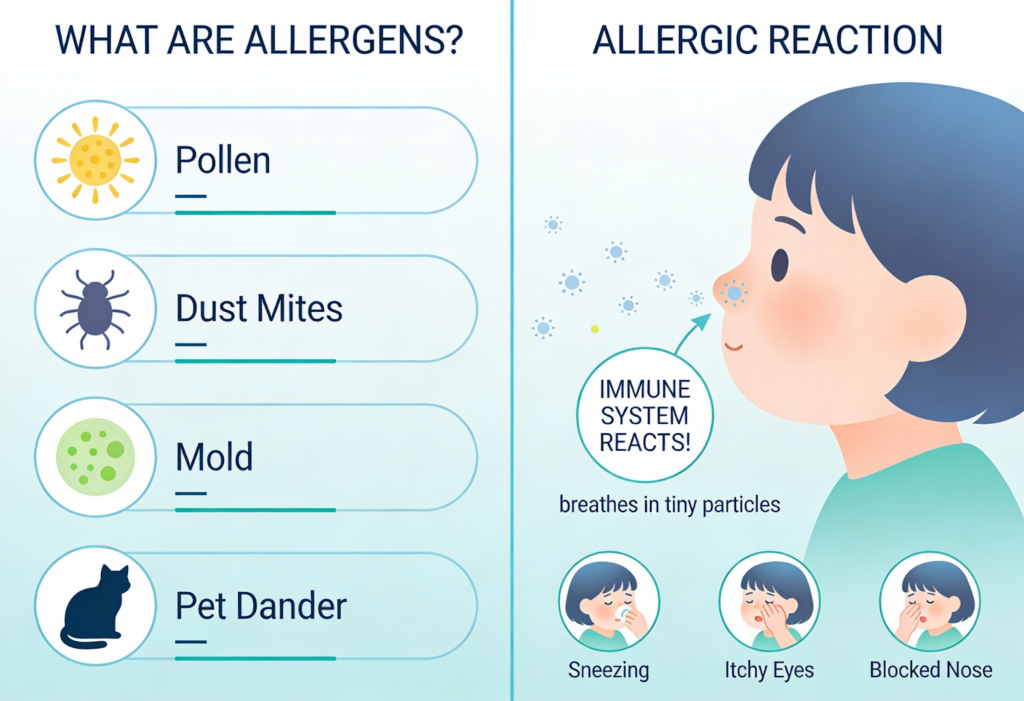
This immune response results in a stuffy nose, sneezing fits, and irritated eyes. While pollen is a frequent culprit during specific times of the year, mold and dust can cause issues year-round. Getting familiar with these triggers helps you pinpoint what is affecting your child, allowing you to minimize their contact with them.
How Seasonal Allergies Affect Children
These seasonal reactions occur when airborne substances such as mold, pollen, or dust irritate a child's immune system. Believing these elements are a threat, the body responds by causing itchy eyes, nasal congestion, and sneezing. Pollen, a fine dust produced by plants and trees, is a major trigger that irritates a child's throat, eyes, and nasal passages when inhaled.
Common triggers include:
- Tree pollen: Usually peaks in the spring months (February to April).
- Grass pollen: Most prevalent during the summer season (April to June).
- Weed pollen: Primarily from Congress grass/Parthenium, peaking in autumn (August to November).
- Mold spores: Thrive in moist environments, particularly during the rainy monsoon season.
- Dust mites: Microscopic bugs residing in bedding, toys, and mattresses; they are a year-round nuisance but worsen in high humidity.
Symptoms of Seasonal Allergies in Kids
- Sneezing fits: Infants might experience repetitive sneezing as their nasal passages react to environmental allergens.
- Nasal congestion or runniness: Allergic reactions can lead to a blocked or constantly running nose, hindering normal breathing.
- Watery, itchy eyes: Kids and toddlers frequently suffer from eye irritation and tearing when exposed to triggers.
- Postnasal drip: Mucus draining down the throat can cause an uncomfortable tickle.
- Coughing spells: Children may develop a cough to soothe the throat irritation caused by allergens and draining mucus.
- Fatigue: Because allergies can interrupt sleep patterns, kids often feel exhausted during the day.
- Fussiness: The continuous discomfort from poor sleep, congestion, and itching can leave children feeling irritable and cranky.
When these signs appear like clockwork at the same time each year, you are likely dealing with an allergy rather than a cold.
Diagnosing Children's Seasonal Allergies
Doctors typically diagnose these allergies by tracking the child's symptoms and their seasonal timing. To uncover the underlying cause, your paediatrician will evaluate potential environmental triggers, everyday surroundings, and your child's medical background.
Tests a paediatrician may suggest:
- Skin prick testing: Applying a tiny drop of a suspected allergen to the skin to observe for any allergic reaction.
- Blood work: Checking the blood for specific antibodies related to allergic responses.
- Tracking symptom patterns: Correlating your child's flare-ups with specific pollen seasons.
- Environmental evaluation: Identifying potential indoor culprits like pet dander, mold, or dust.
These diagnostic tools are perfectly safe for kids and pinpoint the precise triggers responsible for their discomfort. Under the supervision of an allergy-focused paediatrician, you can implement strategies to minimize exposure and initiate a tailored treatment regimen.
Natural Ways to Support a Child with Seasonal Allergies
A lot of parents prefer starting with natural solutions due to their safety and mild nature. You can assist your little one by minimizing household triggers, enhancing their nutrition, and instilling basic habits that soothe their discomfort.
1. Simple Ways to Reduce Allergen Exposure
Incorporating minor daily routines can significantly decrease your child's exposure to allergens.
- Keep windows securely closed during high pollen hours (usually 5 AM to 10 AM).
- Install HEPA filters or air purifiers in your child's room.
- Use a vacuum equipped with a HEPA filter regularly.
- Have your child take a shower or rinse off after playing outdoors.
- Refrain from hanging clothes or bedding outside to dry.
- Wash clothes and hands immediately after coming inside to remove allergens.
- Utilize anti-dust-mite covers on pillows and mattresses.
- Leave shoes at the door and wipe down surfaces frequently to lower indoor pollen levels.
Following these guidelines limits contact with the mold, dust, and pollen that typically exacerbate allergic reactions.
2. Natural Remedies That Provide Relief
A few simple home interventions can offer fast relief for kids suffering from seasonal allergies.
- Place ice packs or cool, damp cloths over the eyes to relieve itching.
- Administer saline drops to help flush out nasal passages.
- Ensure your child drinks plenty of fluids to thin out nasal mucus.
- Run a warm bath to help clear up congestion through steam.
- Keep indoor air fresh and clean using proper ventilation and purifiers.
These mild techniques can alleviate discomfort without relying on pharmaceutical medications.
3. Provide a Nutritious Diet
Boosting your child's immune system can lessen the severity of their allergic reactions.
Beneficial foods include:
- Fermented options: idli, chaas, curd, kanji, and dosa
- Fruits high in antioxidants: seasonal varieties, berries, and amla
- Green leafy vegetables: methi and spinach
- Vitamin C-packed fruits: kiwi, berries, sweet lime, oranges, and guava
- Adequate water intake throughout the entire day
Consuming these items promotes a healthy gut, stronger immunity, and easier breathing.
4. Teach Kids Simple Allergy Habits
Practicing everyday routines can keep allergy symptoms from escalating.
- Avoid scratching or rubbing the eyes
- Stay consistently hydrated with water
- Identify and communicate early signs of an allergy flare-up
- Seek assistance from an adult when symptoms start
With age, kids become much more capable of handling their allergy symptoms independently.
Medical Options for Children's Seasonal Allergies
When natural home remedies aren't enough to control symptoms, doctors might recommend safe medications. These medical alternatives are highly beneficial for kids facing moderate to intense seasonal allergies.
Child-Friendly Medical Treatments
- Antihistamine medications: Help curb runny noses, itching, and sneezing fits
- Corticosteroid nasal sprays: Aid in reducing swelling and inflammation within the nasal passages
- Saline sprays: Moisturize dryness and flush out the nose
- Allergy-relief eye drops: Soothe eyes that are watering or excessively itchy
- Decongestant medicines: Occasionally prescribed for brief relief from severe stuffiness (always consult a paediatrician first)
- Immunotherapy for allergies: A prolonged treatment approach designed to desensitize the body to specific allergens over time
The appropriate treatment is carefully selected depending on the severity of the symptoms and the child's age.
IMPORTANT: Always verify proper dosages, and if you are unsure, speak with your child's doctor prior to administering any medicine.
Knowing When to Consult a Doctor
It is time to schedule a doctor's visit if:
- Allergy symptoms interfere with your child's sleep or school activities.
- Your child experiences wheezing or difficulty taking a breath.
- The symptoms persist for more than a month and a half.
- Standard over-the-counter allergy medications fail to bring relief.
A healthcare provider might suggest allergy testing to pinpoint the exact irritants.
Final Thoughts
While seasonal allergies can cause significant discomfort for kids, taking straightforward precautions can make a huge difference. By identifying the root triggers and applying basic home remedies, you can often relieve their symptoms. Combining this with a nutritious diet, healthy routines, and prompt medical care ensures they stay comfortable.
Should symptoms persist or if you require professional advice, specialized medical care is the best route. Dr Shubhangi Singh Dande, a paediatrician with over 14 years of experience, delivers compassionate, expert care tailored for allergic children. Families will find a welcoming and secure environment at her Paediatric and Allergy Clinic.
To receive customized guidance and an appropriate treatment strategy, schedule a visit with Dr Shubhangi Singh Dande’s Paediatric and Allergy Clinic. Proper management ensures your little one can thrive and enjoy the outdoors, no matter the season.
